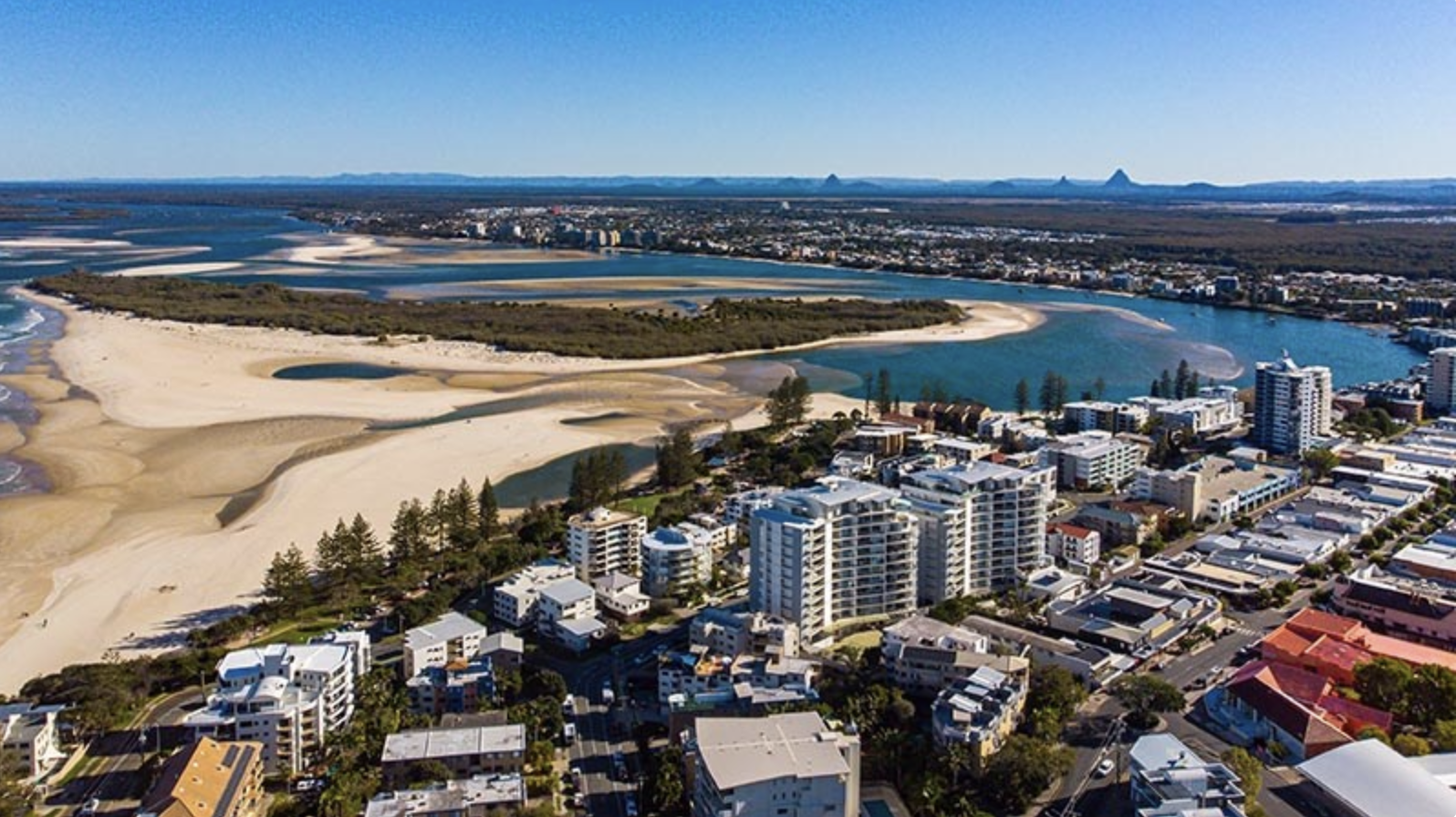
Prices are up 90 per cent since 2020, vacancy rates sit near record lows and a $19.5 billion infrastructure pipeline is tied to the 2032 Olympics, but the Sunshine Coast's momentum is still being tested.
Since the pandemic and the surge in remote working Queensland’s Sunshine Coast has shifted from an affordable regional market to a blue-chip location with a diversified economy.
Property prices have soared 90 per cent since mid-2020, and healthy growth appears set to continue, with strong population growth, extremely low vacancy rates, and a major infrastructure project pipeline, much of it driven by the 2032 Olympics.
The Sunshine Coast, in southern Queensland, stretches from the coastal city of Caloundra, near Brisbane, north to the Cooloola section of the Great Sandy National Park.
According Ray White’s property analytics arm Neoval, the median Sunshine Coast house price reached $1.28 million in January, up 12.6 per cent for the year, and higher than both Melbourne and Brisbane.
The Melbourne median house price was $940,000 (up 6.7 per cent), and Brisbane $1.14 million (up 16.6 per cent), with Sydney at $1.64 million (up 8.7 per cent).
The Sunshine Coast was one of the nation’s “most dynamic and resilient regional economies”, according to a research report by CBRE Director Tom Broderick and CBRE’s Senior Research Analyst, Charlotte Fordyce.
“The Sunshine Coast residential market has emerged as one of Australia’s standout performers since the onset of the pandemic,” the report stated.
The market was underpinned by sustained population growth, a “diversified economic base” and a robust infrastructure pipeline that was “reshaping the Coast’s future”.
“The influx of new residents, drawn by the lifestyle, affordability and economic opportunities has created a powerful demand-side force driving the market,” CBRE noted.
Demand remained strong and vacancy levels extremely tight.
With an annual population increase of 2.5 per cent, the Sunshine Coast remains a standout performer.
- CBRE
The Sunshine Coast vacancy was just 0.7 per cent for the December quarter, according to Real Estate Institute of Queensland, which defines a “healthy” level at between 2.6 per cent and 3.5 per cent.
The two 0.25 percentage point interest rate rises earlier this year, and the impact of the US and Israel’s invasion of Iran, presented headwinds but they remained minimal, according to agents.
“We are starting to notice slightly fewer people coming through the door at open homes,” said Jared Young, co-principal of Nicholl & Young Property, at Buderim on the Sunshine Coast.
“But days on market are as low as 20 days, so things have been good.
“We had our best month ever in March, and we’ve been here for six years,” Mr Young told Australian Property Investor Magazine.
A lack of supply is expected to keep upward pressure on prices.
According to CBRE, in 2023 and 2024 there was a shortfall of “almost 1,400 dwellings” built on the Sunshine Coast.
“This under supply is putting upward pressure on prices and creating a competitive environment for prospective buyers,” the report states.
Post-pandemic transformation
Adding to that pressure is the region’s population growth.
In 2025, the Sunshine Coast population was 384,500, up 2.5 per cent for the year, CBRE stated. It forecasts population growth of 2.0 per cent per annum, which would hit 440,200 residents by 2032.
“The Sunshine Coast continues its remarkable trajectory of growth, solidifying its position as one of Australia’s most dynamic regions,” it stated.
“With an annual population increase of 2.5 per cent, the Sunshine Coast remains a standout performer, attracting new residents at a pace that surpasses many other areas across the country.
“The projected influx of nearly 56,000 new residents by 2032 will act as a powerful engine.”
Yet the region’s decreased affordability would play a role too.
“Interestingly, the Sunshine Coast may be losing some of its pull factors, particularly in the affordability front,” CBRE stated.
“The median house price on the Sunshine Coast is higher than Melbourne, historically a key source market for migration.”
Andrew Thompson, head of growth at mortgage broker Loan Market Ignite, said the interest rates and the uncertainty surrounding the war in the Middle East had dampened demand but it remained healthy.
“We have offices in Ipswich, Brisbane and the Sunshine Coast, and we have noticed that (softening) across the entire market,” Mr Thompson told API Magazine.
“It’s probably taken out a few buyers that were previously going through,” he said.
Yet Mr Thompson said Sunshine Coast property remained very tightly held, and demand strong.
“A lot of the agents say (prospective buyers) have dropped off, but there are still lots of people going through open houses and properties are still definitely moving,” he said.
“We work with a lot of agents, and the demand is still very high and prices are moving still.
“But there’s still people actively buying and we’re still doing lots of pre-approvals, people are still looking,” he said.
Mr Thompson said the Sunshine Coast market had undergone a transformation since the pandemic.
“It’s post-Covid,” he said.
“People are working from home more and being close to beautiful regional beaches is a large driver.”
Olympics no property sugar hit
Underscoring the changing face of the Sunshine Coast, infrastructure was “surging ahead”, with a total value of $19.5 billion in planned and active projects, according to CBRE.
The 2032 Olympic Games were set to be “transformative” for the Sunshine Coast, “placing it firmly on the global stage”.
“This isn’t just about a few weeks of sporting action; it's a long-term investment in infrastructure, tourism, and the overall prosperity of the region,” the group stated.
The Games Village, planned for Maroochydore, would house just under 1,400 athletes during the event, which would then be converted to permanent housing.
There are also plans to deliver a major, three-stage infrastructure program, “The Wave”, delivering a heavy rail line from Beerwah to Birtinya, as well as metro rail services to the Sunshine Coast Airport.
The Sunshine Coast Stadium in Kawana was also flagged to undergo a major renovation, increasing capacity from 1,046 to 10,680 permanent seats.
“This will allow the stadium to host larger events as part of the Olympics as well as attract longer-term, larger events to the region,” noted CBRE.
Article Q&A
Is the Sunshine Coast still a growth market in 2026?
Yes, the fundamentals remain strong. Population growth, tight rental conditions and a persistent undersupply of housing are continuing to support price growth. While demand has softened slightly due to interest rates and global uncertainty, days on market remain low and buyer activity is still elevated.
What’s driving the Sunshine Coast region’s rapid price growth?
A combination of post-pandemic lifestyle migration, remote work flexibility, and a diversifying local economy has fuelled demand. This has been compounded by limited new housing supply and significant infrastructure investment, including projects linked to the 2032 Olympics.
Is real estate affordability becoming a problem in the Sunshine Coast?
Increasingly, yes. With a median house price now above Melbourne, the Sunshine Coast is losing some of its traditional affordability advantage. This may slow interstate migration from key feeder markets and moderate future growth rates.
Will infrastructure and the Brisbane Olympics have a lasting impact on property prices?
It appears highly likely. Major projects, including transport upgrades and the athletes’ village conversion to housing, are expected to enhance connectivity, liveability and long-term economic prospects. While short-term boosts are common, the scale of investment suggests more enduring benefits for the region’s property market.
This article is written by Anthony Klan
Anthony Klan is a journalist of more than 20 years, having covered property and business for The Australian, where he spent 15 years, as well as for the Wall Street Journal in New York and London's …
Curious where prices sit now? Our Sunshine Coast property prices guide breaks it down suburb by suburb.
You might also be interested in
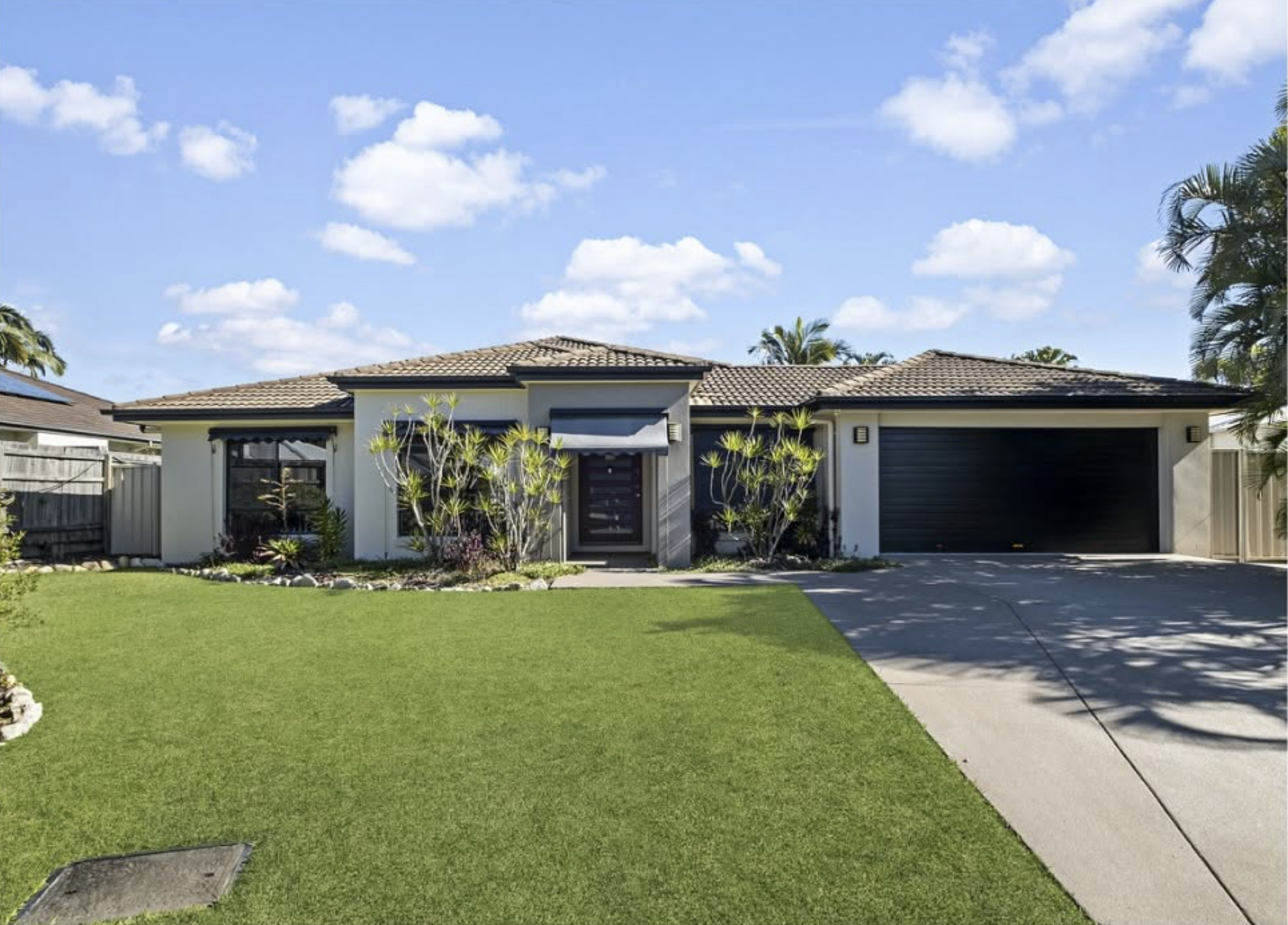
If you've been watching property for sale on the Sunshine Coast lately, you'll have noticed the headlines. In late August 2026, a Noosa Heads waterfront holding changed hands for $40 million — a new Q
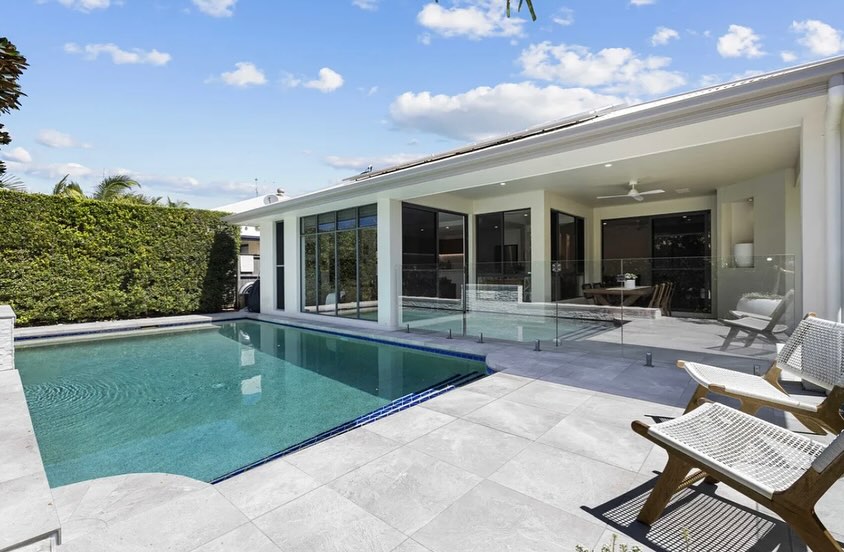
If you're exploring houses for sale Sunshine Coast**, now is a particularly dynamic moment in the region's property market. This article breaks down the latest data, luxury trends, and where value is